Shree Jagannath Temple

One of the four holiest Hindu pilgrimage sites in India — a living temple whose rhythms shape the whole town of Puri.

Distance
Approx. 3 km from the hotel
By road
Approx. 15 minutes
Allow
2–3 hrs for a comfortable visit
Best window
Early morning cooler and calmer
Sanctum access
Restricted by temple tradition

What to look for

Five things worth knowing before you go

  1. The Shrimandira

    The main temple structure, whose curving tower is visible from across the town. Its scale only registers once you are standing close to it.

  2. Shree Vimala Shakti Peetha

    The Vimala Temple within the complex, with its Rohini Kund — a significant shrine in its own right and one of the oldest layers of the site.

  3. Ananda Bazaar and Mahaprasad

    The temple's own food market, where Mahaprasad is prepared and sold. It is one of the largest such kitchens anywhere.

  4. The flag ritual

    A fresh flag is raised on the tower each day — a small detail, but one that tells you how continuously this temple is in use.

  5. Rath Yatra

    Once a year the deities leave the temple on enormous chariots. It transforms the town completely; dates follow the lunar calendar and change annually.

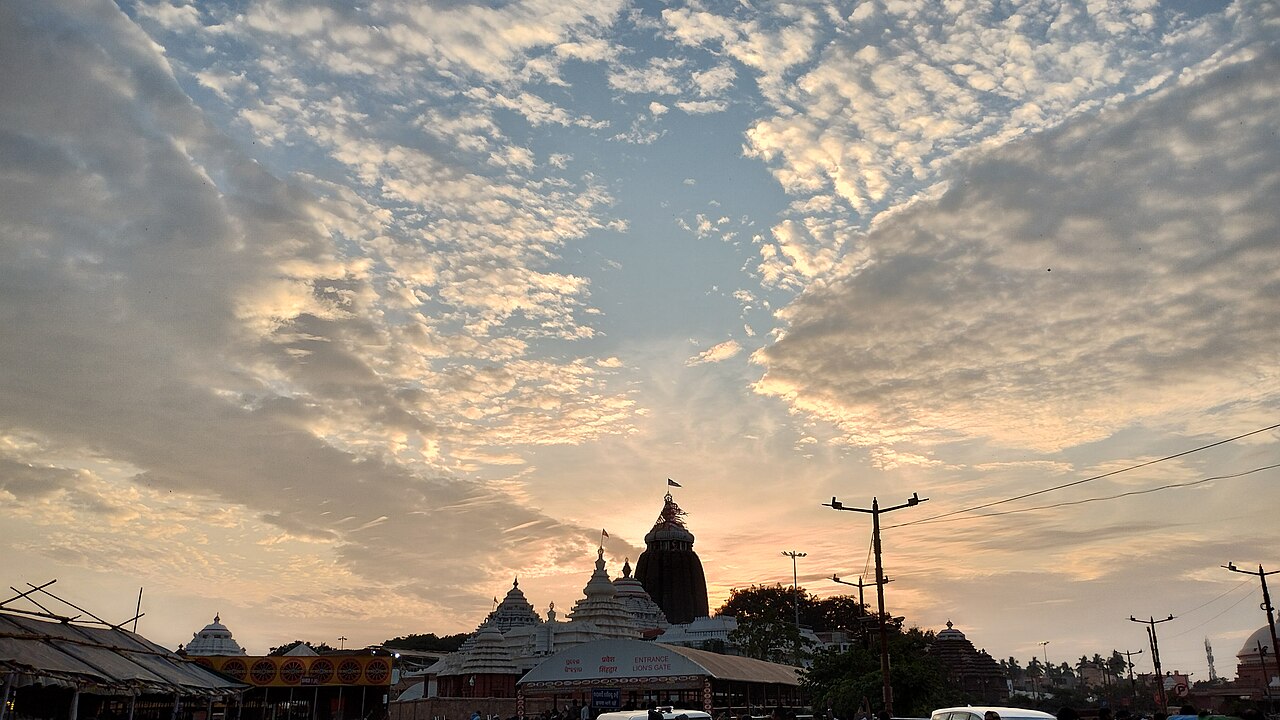
Shree Jagannath Temple The Jagannath Temple, Puri, seen over the rooftops of the temple town in the evening
The temple seen across the rooftops of Puri town.
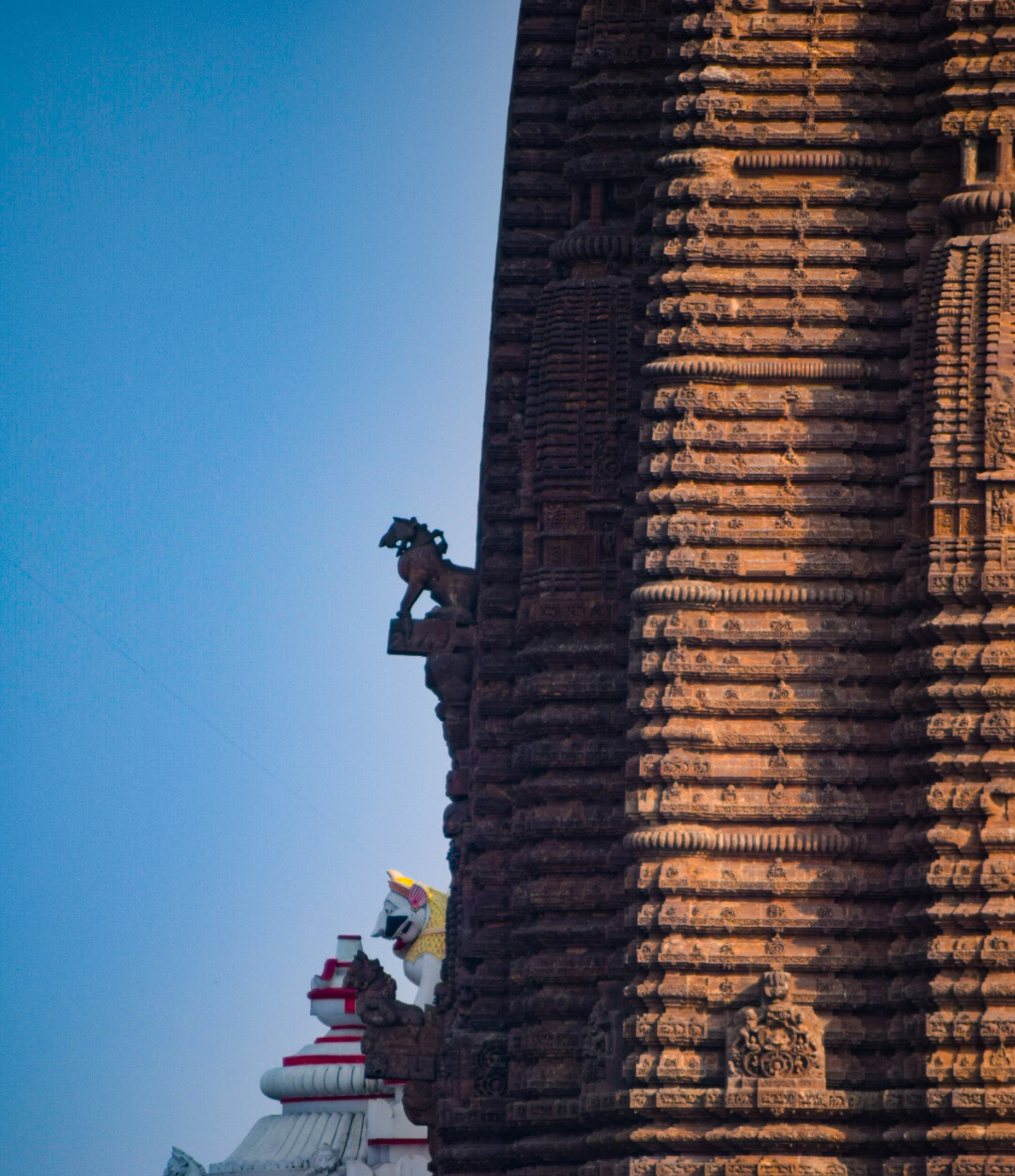
Carved stone detail Carved stone detail on the Shrimandira, the main Jagannath temple structure
Carved detail on the Shrimandira. Photography: see the attribution ledger.

Approx. 3 km from the hotel · Approx. 15 minutes by road

The temple is dedicated to Lord Jagannath, an avatar of Lord Vishnu, and is one of the four holiest Hindu pilgrimage sites in India. Visiting the Jagannath Temple in Puri is a unique experience that provides a glimpse into the religious and cultural traditions of India — witness the daily rituals and prayers performed by the temple priests, who are considered to be the representatives of Lord Jagannath. The temple also houses a museum that displays ancient artefacts related to the temple's history and mythology.

What a visit involves

Darshan (viewing of the deities) follows the temple's own daily schedule of rituals, which shifts through the year. Non-Hindus should note that entry to the temple sanctum is restricted by tradition; many visitors experience the temple from its exterior — the mega-linear curving tower is visible across the town — and from the surrounding bazaar lanes. Within the wider complex tradition also honours Shree Vimala Shakti Peetha (the Vimala Temple, with its Rohini Kund) — a significant shrine to Goddess Vimala.

Practical notes

  • Dress modestly; shoulder and knee coverage is expected on temple grounds.
  • Leave leather items, cameras and bags outside — deposit counters operate near the entrances.
  • Mornings are cooler and less crowded; evening aarti draws large devotee numbers.
  • Mahaprasad, the temple's sacred food, is offered at the Ananda Bazaar inside the complex.
  • Rath Yatra (the chariot festival) transforms the town each year — dates follow the lunar calendar and vary annually; verify before planning.

Staying with us? The temple sits about 3 km from the hotel — the front desk can arrange transport and suggest the quietest darshan windows. See also our Puri temple guide.

Timing it

How a half-day around the temple runs

The temple keeps its own daily schedule of rituals, which shifts through the year. This is the shape of a sensible visit rather than a promise about any particular ritual.

  1. Early

    Leave the hotel

    Cooler, quieter and easier on the roads. Ask the travel desk for a car the evening before if you want an early start.

  2. On arrival

    Deposit bags and leather

    Cameras, phones, leather items and larger bags stay outside. Deposit counters operate near the entrances.

  3. Mid-morning

    Darshan and the complex

    Follow the flow of devotees. Expect crowds at festival times and patience to be the real requirement.

  4. Later

    Ananda Bazaar

    Mahaprasad is offered and sold within the complex. It is a genuinely central part of the visit for many pilgrims.

  5. Return

    The lanes around the temple

    The bazaar streets outside the temple are worth an unhurried hour before you head back to the beach.

Getting there

From the hotel

By car or auto

About three kilometres and fifteen minutes from New Marine Drive Road. An auto-rickshaw is the cheapest option; a hotel-arranged car is the simplest.

On foot

Possible but not recommended in the heat — the route is along busy roads with little shade.

During festivals

Roads around the temple close to vehicles and the town fills up. Plan considerably more time, or walk from where your vehicle can get to.

Ask the front desk. They will tell you the current crowd pattern and which darshan windows are quietest on the day you plan to go — information no guidebook can give you.

On film

The temple in motion

Two clips of the Ratha Jatra, stored on this site: the slow, swaying Pahandi Bije in which the deities are carried out to their chariots, and the Rathatana, when the ropes go tight and the whole town pulls. Both clips load only when they reach your screen.

Pahandi Bije at the 2023 Ratha Jatra. Government of Odisha · CC BY 4.0
Rathatana — pulling the chariots, 2022. I & PR Department, Odisha · CC BY 4.0

Visiting FAQs

Call us

Three kilometres from the temple gate

Check Availability by Phone Call