
Know the entry tradition
Non-Hindus cannot enter the sanctum — the tradition is absolute. The exterior circuit, the rooftops and the bazaar are the experience, and they reward time.
A living temple town with its own rules and rhythms — what to know before your first darshan.
By the Hotel Sonar Bangla team · Published 1 October 2026
Before you go
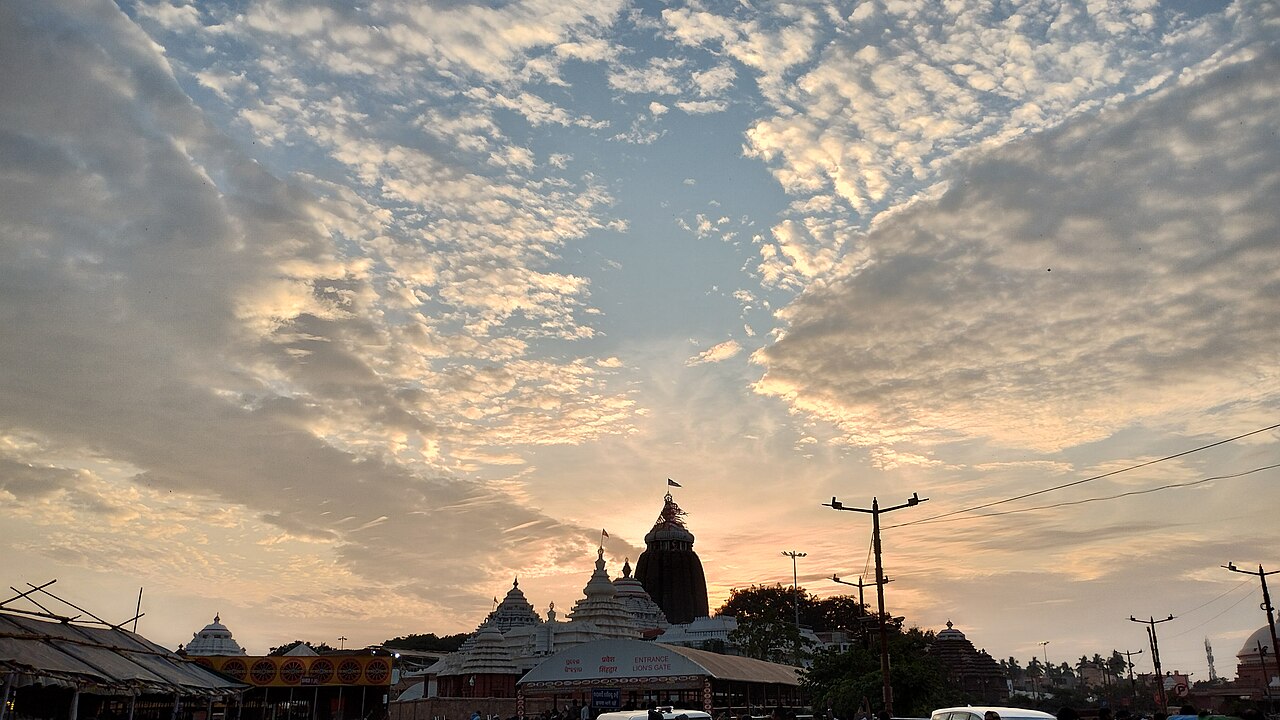
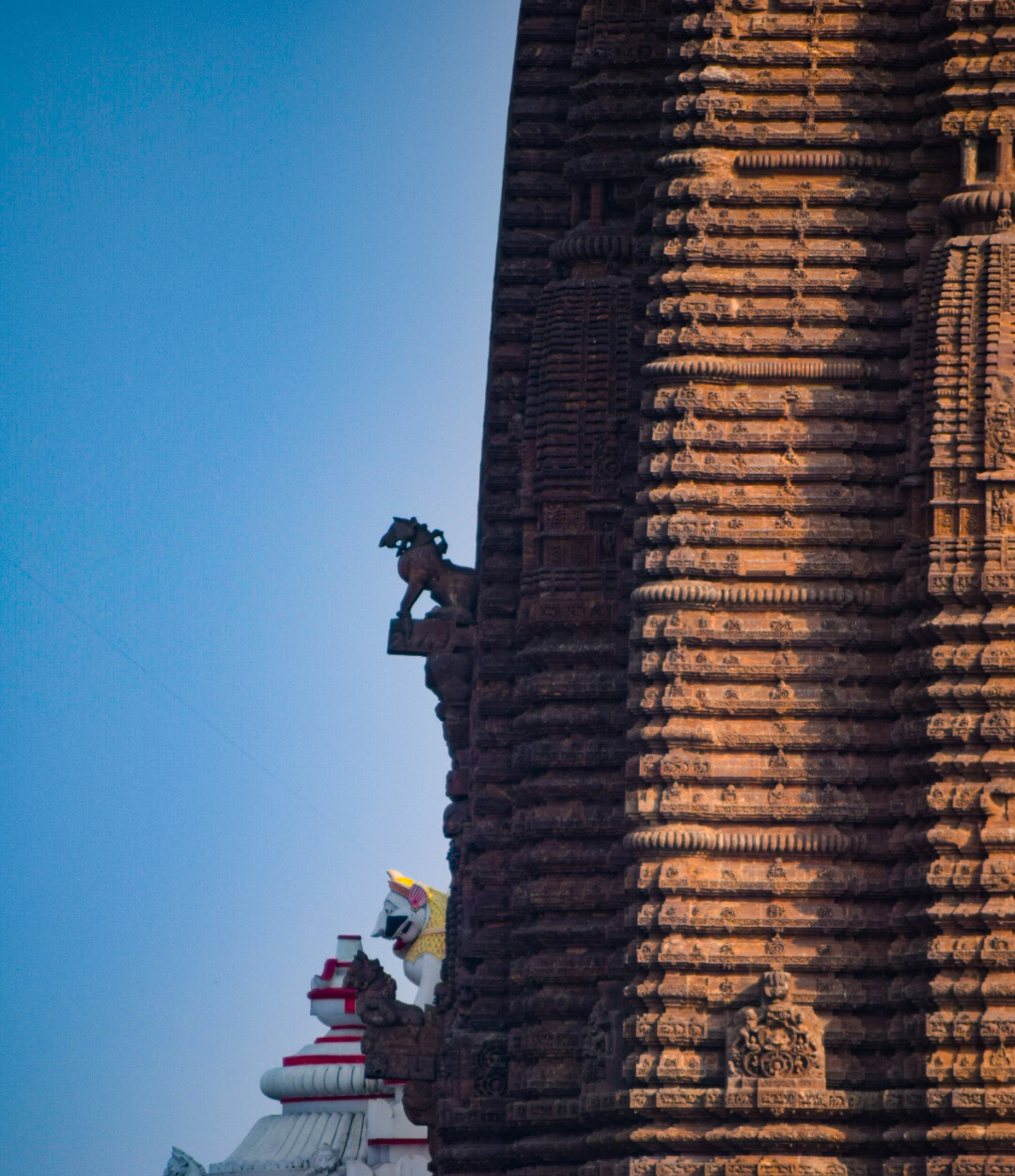
Puri's temple landscape is anchored by the great Shree Jagannath Temple — one of the four holiest Hindu pilgrimage sites in India — and radiates outward through the Gundicha Temple, the Sun Temple at Konark a drive away, and the Vimala shrine within the main complex. This guide covers the customs that catch visitors out, not the theology.
The temple opens before dawn and the ritual day runs through several aartis. Mornings are cooler and calmer; evening aarti is atmospheric but dense. Rath Yatra reorganises the entire town for days around the chariot procession — dates follow the lunar calendar and change yearly, so verify against your travel window rather than a fixed date.
The Gundicha Temple — Lord Jagannath's annual garden destination — is quieter and greener, a good contrast visit. At Konark, the chariot temple is architecture-first: hire a licensed guide, and go early before the stone heats up.
Mahaprasad — the temple's sacred food, offered at Ananda Bazaar inside the main complex, is a genuine Puri experience. Ask the front desk about etiquette before joining.
The ritual day
The Jagannath Temple keeps a full daily cycle of rituals, and the schedule shifts through the year. What follows is the shape of the day rather than a timetable to rely on — ask the front desk or a local priest for the current timings.
Early rituals begin well before most visitors are awake. If you want a quiet darshan, this is the hour.
The busiest stretch for pilgrims. Non-Hindus are restricted from the sanctum by temple tradition, and photography is not permitted on the grounds.
The temple's kitchen prepares Mahaprasad, sold and offered at Ananda Bazaar within the complex.
Often the easiest time to move through the complex without being carried by the crowd.
Atmospheric and dense. Beautiful if you are comfortable in a crowd, tiring if you are not.
A note on access. Entry rules are the temple's to set and they change from time to time. Rather than promise you something we cannot, we will tell you plainly what applies on the day you visit.
Modest clothing with shoulders and knees covered. Light cottons will serve you better than anything heavy.
Cameras and phones are deposited at the entrance counters along with leather items and larger bags. Plan on being without them on the grounds.
Entry to the sanctum is restricted by temple tradition. Many visitors experience the temple from its exterior and the bazaar lanes around it, which is a substantial experience in itself.
Before you queue
Non-Hindus cannot enter the sanctum — the tradition is absolute. The exterior circuit, the rooftops and the bazaar are the experience, and they reward time.
Shoulders covered, phones and leather deposited at the counter. Lockers exist; the queue for them is shortest early.
Early-morning or late-evening darshan beats the middle of the day, when the queue and the stone both heat up.
Keep planning: