Konark Sun Temple

A UNESCO World Heritage Site shaped like a massive stone chariot — the essential half-day trip from Puri.

From the hotel
Approx. 35 km, coastal road
Built
13th century reign of Narasimhadeva I
Status
UNESCO World Heritage Site
Allow
Half a day plus travel
Best light
Morning or late afternoon

What to look for

Reading the chariot

  1. The chariot form

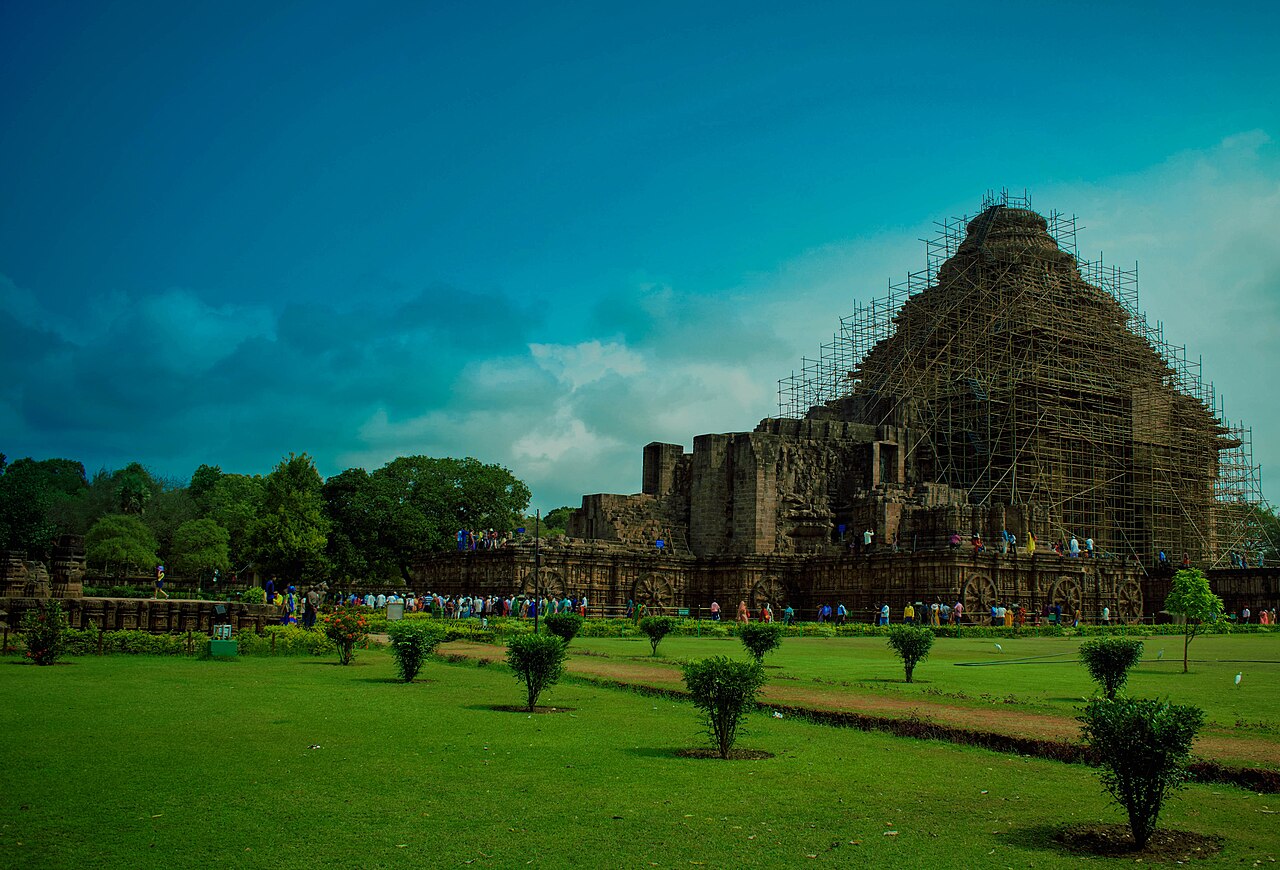
    The whole temple is conceived as the sun god's chariot, with the sanctum as the body and the audience hall as the wheels.

  2. The carved wheels

    Twenty-four wheels decorate the base, each carved with intricate spoke and hub detail. They are the image everyone remembers.

  3. Nata Mandira

    The dance hall, where the carving is at its most crowded and most alive.

  4. Surya figures

    The sun god appears repeatedly, shown with the horses and attendants of the chariot.

  5. The collapse and the conservation

    The main tower fell in the nineteenth century and the site is now a conservation project. Much of what you see is stabilised rather than original, and understood as such.

Konark Sun Temple The carved stone facade and chariot wheels of Konark Sun Temple
The temple as a chariot, in stone. Photography: see the attribution ledger.
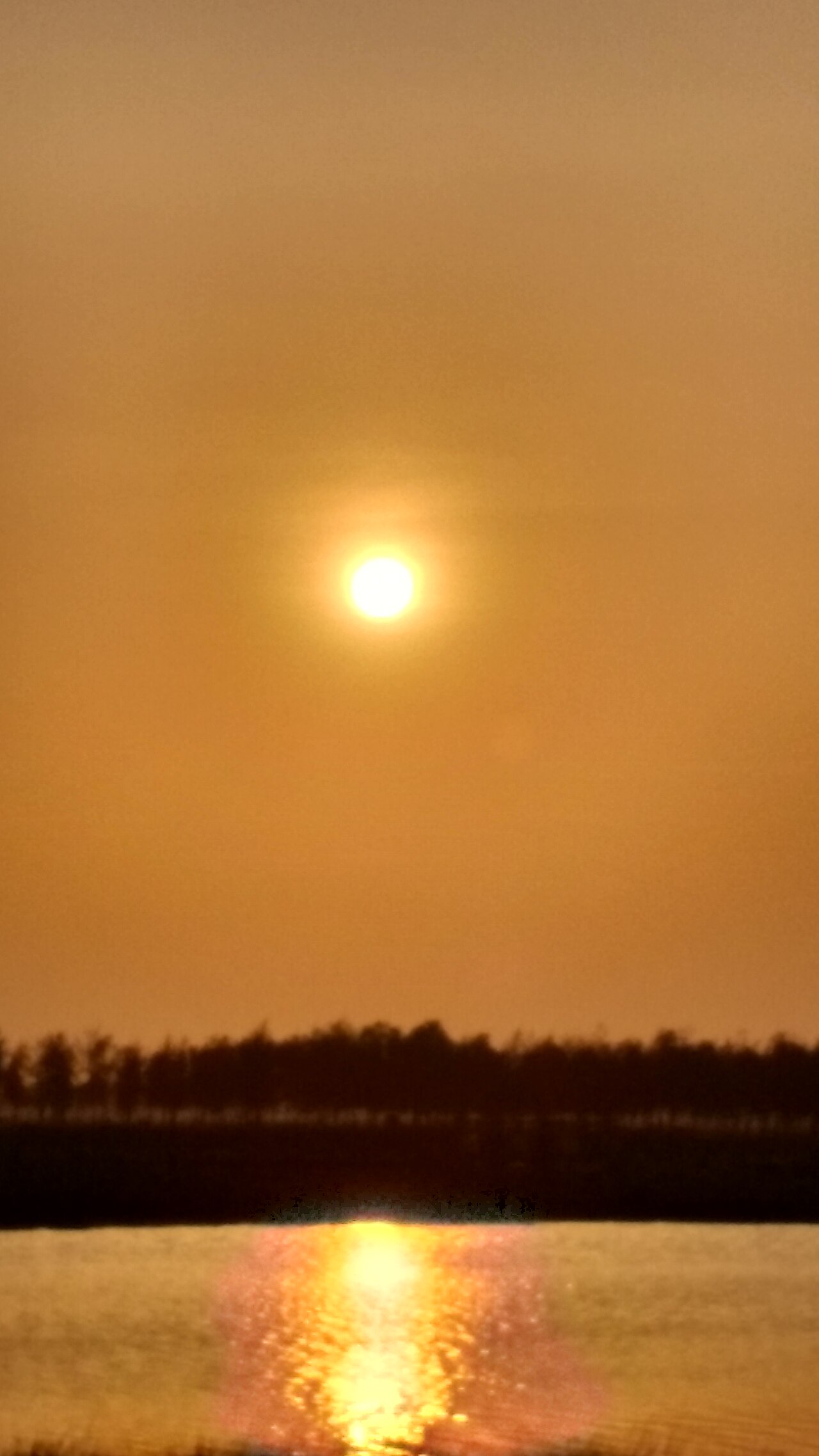
The coast near Konark Sunset over the Bay of Bengal on the Chandrabhaga coast near Konark
The coast at Chandrabhaga, minutes from the temple.

Approx. 35 km via Marine Drive · Half-day trip

Also known as the Sun Temple, Konark is a UNESCO World Heritage Site. It is famous for its unique architecture, which is designed in the shape of a massive chariot with intricately carved stone wheels, pillars, and walls. Visitors can explore the temple and admire the intricate carvings that depict scenes from Hindu mythology. The temple also houses a museum that displays artefacts related to the history and architecture of the temple. Overall, visiting the Konark Temple is an enriching experience that offers a glimpse into the rich cultural and architectural heritage of India.

The drive itself is worth it

From the hotel, the route follows the Puri–Konark Marine Drive — about an hour with the Bay of Bengal on one side and the casuarina forest of the Balukhand Wildlife Sanctuary on the other. Many guests stop at Chandrabhaga Beach on the way back.

Practical notes

  • Go early in the morning — the stone heats up by midday and crowds build through the day.
  • Allow 1.5–2 hours for the complex plus the site museum.
  • Hire a licensed guide at the gate for the wheel symbolism and mythology panels; it changes what you see.
  • Sun protection and water are essential in summer months.
  • Verify current opening hours and ticket prices before travel — they are revised periodically.

Timing the visit? Our 3-day itinerary pairs Konark with Raghurajpur and Chandrabhaga in a single sensible loop.

Getting there

The route south

The coastal road runs from Puri through Balukhand and on to Konark. It is one of the better drives in Odisha and worth treating as part of the day out rather than dead time.

  1. Morning

    Leave the hotel

    Roughly thirty-five kilometres along Marine Drive and the coast road. Allow about an hour in each direction.

  2. En route

    Raghurajpur

    The Pattachitra village sits close to the route. A thirty-minute stop here makes the outward leg feel like part of the trip.

  3. Midday

    Balukhand

    The casuarina forest and sanctuary along the coast — a quiet stretch with shade and wildlife.

  4. Afternoon

    The Sun Temple

    An hour and a half to two hours on site. Guides are available at the entrance and materially change what you see.

  5. Return

    Chandrabhaga on the way back

    A beach minutes from the temple, and the closest thing to a sunset over water in the district.

Practicalities. Carry water, expect to remove shoes at parts of the site, and check opening hours and ticket arrangements before you travel — they change from time to time.

Konark FAQs

A base for the coast

Stay on Marine Drive, drive the coast

Check Availability by Phone Call